• Digital edition
  • About
  • Advertise
  • Subscribe
  • Contact
Saturday, May 30, 2026
  • Login
No Result
View All Result
The Keswick Reminder
  • Home
  • News
    • All
    • Obituaries
  • Culture
  • Food & Drink
  • Sport
  • Classifieds
  • Home
  • News
    • All
    • Obituaries
  • Culture
  • Food & Drink
  • Sport
  • Classifieds
No Result
View All Result
The Keswick Reminder
No Result
View All Result

Rare native trees planted near Cockermouth to boost wetland ecosystem

10 February 2023
in News
0
SHARES
0
VIEWS
Share on FacebookShare on Twitter
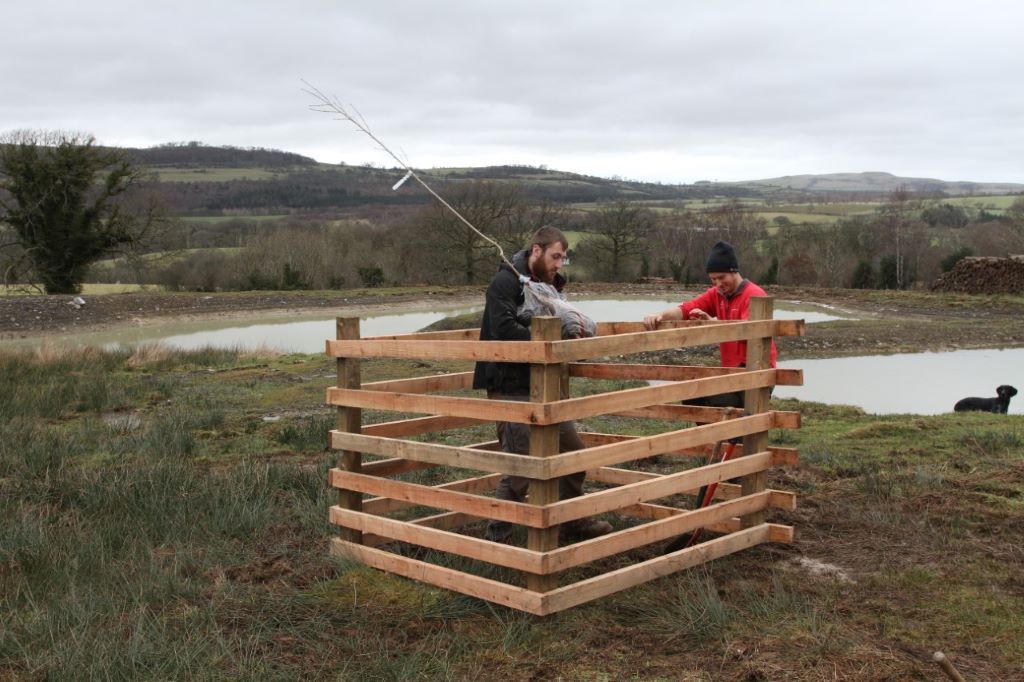
Black poplar planting at Kirkhouse Farm, near Cockermouth.

Thirty-two of Britain’s rarest native trees have been planted at two sites in Cumbria to save them from extinction.

National Trust rangers have dug in the black poplars at Kirkhouse Farm on the Dunthwaite Estate, near Cockermouth, and at Goldrill Beck, near Ullswater.

Once widely spread across the county, there were only three of these culturally and ecologically significant trees left in the Cumbrian landscape and an estimated 7,000 across the country.

With help from a specialist from London, trees of an ancient local strain were sourced and brought on location.

Sixteen were put in the ground near the ponds, created over the summer as part of the trust’s Riverlands work, at Kirkhouse Farm, and a further 16 at Goldrill Beck where award-winning river restoration work has been carried out.

Black poplars are an important wetland tree species that belong to the wider willow family or Salicaceae.

They produce salicylates, important medicines which are both anti-fungal and antibiotic, which are distributed throughout the wetland ecosystem as aerosols in the air, as soluble compounds in the water for aquatic life and within their pollen and nectar for pollinators.

Black poplar not only provide an early source of food to bee and butterfly populations, they also help to ensure the health of the entire ecosystem.
National Trust ranger Edwin Everitt-Stewart said: “Just over a year ago, I had never heard of the black poplar and for good reason, as it is one of our rarest trees!

“It is therefore amazing to be a part of the jigsaw of bringing the black poplar back to the British landscape, just one part of years of hard work and determination that have gone into saving this species from ecological collapse.

“Once the trees are established, they will grow up to six foot in a year, so will soon make an impression on the landscape.”

ShareTweet

Related Posts

Lake District walker airlifted to hospital after suffering chest pains
Latest

Lake District walker airlifted to hospital after suffering chest pains

9 hours ago
Your View: Pictures of the month – May
News

Your View: Pictures of the month – May

13 hours ago
Keswick’s Wetherspoon beer garden can stay open later
News

Wetherspoon wins battle to extend opening hours at Keswick beer garden

2 days ago
Cheeky new bush dogs settling in at Lake District Wildlife Park
News

Cheeky new bush dogs settling in at Lake District Wildlife Park

3 days ago
Keswick Tourism Association voices support for improved visitor management in the Lake District
News

Keswick Tourism Association voices support for improved visitor management in the Lake District

4 days ago
Magic show fundraiser to be held in memory of Threlkeld man
News

Magic show fundraiser to be held in memory of Threlkeld man

5 days ago
Next Post
Up for the cup: Keswick face Penrith for the first time in 28 years

Up for the cup: Keswick face Penrith for the first time in 28 years

  • Digital edition
  • About
  • Advertise
  • Subscribe
  • Contact

© 2020 The Keswick Reminder. Site by Slug & Bull.

Welcome Back!

Login to your account below

Forgotten Password?

Retrieve your password

Please enter your username or email address to reset your password.

Log In
No Result
View All Result
  • Home
  • News
    • All
    • Obituaries
  • Culture
  • Food & Drink
  • Sport
  • Classifieds

© 2020 The Keswick Reminder. Site by Slug & Bull.